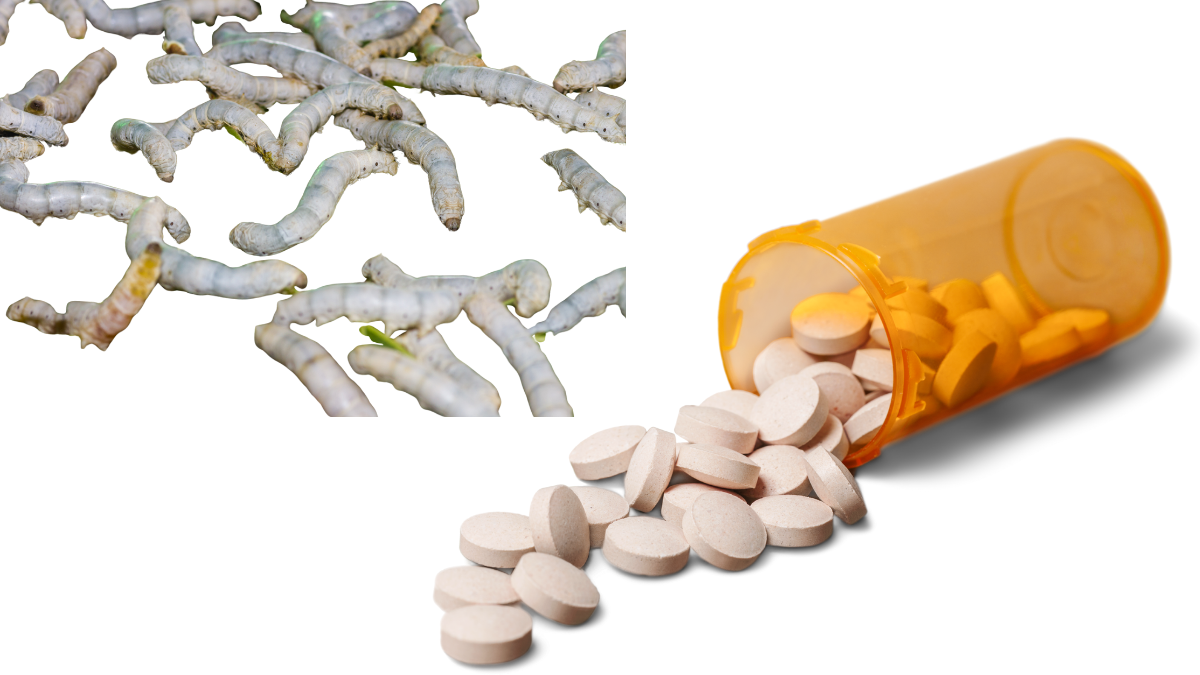
The Madhya Pradesh government has suspended the distribution of deworming tablets in schools after several children reportedly fell ill following the recent National Deworming Day campaign. Health officials have said the move is a precautionary step while tests are being conducted to confirm the quality and safety of the medicine batches.
The tablets, which contained Albendazole, were distributed under a nationwide government program designed to eliminate intestinal worms among children aged 1 to 19. However, after a few students in Betul and Rewa districts complained of vomiting and dizziness soon after taking the medicine, local authorities stopped the drive immediately.
According to a statement by the Madhya Pradesh School Education Department, “The health and safety of children come first. Until lab tests are completed, all further distribution has been temporarily suspended.” Samples of the drug have been sent to the Central Drug Laboratory in Kolkata and the State Drug Testing Laboratory in Bhopal for detailed chemical analysis.
Doctors treating the affected children say the symptoms were mild and most recovered within hours, but the pattern of cases raised alarm. “We observed that children who had taken the tablets on an empty stomach showed discomfort,” said Dr. Nidhi Sharma, a pediatrician in Rewa. “It’s possible the medicine wasn’t contaminated but was improperly administered without food, which can cause mild reactions.”
The National Deworming Programme, launched in 2015, is one of India’s largest public health initiatives, targeting nearly 240 million children twice a year. The goal is to reduce parasitic worm infections, which cause anemia, malnutrition, and poor school performance. Albendazole tablets, provided free through schools and anganwadis, have been considered safe and effective for years.
This recent pause, however, reflects growing caution among state health officials after multiple medicine-related controversies across India. “We cannot take any risk when it involves lakhs of schoolchildren,” said Dr. Vivek Deshmukh, State Nodal Officer for School Health. “Even if the issue turns out to be minor, we want absolute certainty before resuming.”
Early field reports indicate that improper storage and handling may also have played a role. In some rural schools, boxes of tablets were left exposed to heat and humidity, which can reduce potency and alter the tablet’s stability. “The tablets must be stored below 25°C,” explained a district pharmacist from Seoni. “If they were left in classrooms without ventilation, chemical breakdown could occur.”
Parents, already shaken by recent medicine safety stories, have expressed mixed feelings. “We understand deworming is important,” said Rani Patel, a mother of two from Chhindwara. “But after hearing that some kids vomited, we’re scared to give the tablets unless doctors assure us they’re safe.”
To restore public confidence, the Health Department is planning to roll out a new monitoring and awareness protocol. Teachers and anganwadi workers will receive refresher training on dosage timing, food requirements, and symptom observation. Officials will also make parent consent forms mandatory before administering tablets.
According to national health data, over 60% of Indian children under 14 have been exposed to soil-transmitted worms at some point, often due to poor sanitation. These infections can quietly harm growth, cause fatigue, and weaken concentration. Experts warn that skipping deworming altogether could set back years of progress in child nutrition. “Pausing the program is wise for safety, but it must resume soon,” said Dr. Arun Bhattacharya, a senior epidemiologist. “The greater danger is untreated worm infection, not the medicine itself.”
The state has also requested an audit of suppliers and packaging plants to ensure compliance with Good Manufacturing Practices (GMP). This move mirrors similar actions taken earlier this month in Tamil Nadu and Maharashtra, where authorities tightened surveillance after separate drug safety alerts.
School principals in several districts say they’re cooperating fully with health officials. “We have sealed the unused medicine stock in the school office,” said Principal Meena Chaturvedi of a government school in Sagar. “We’re waiting for official clearance to restart. Our teachers are reassuring parents and monitoring every child who participated.”
The Union Ministry of Health and Family Welfare has praised Madhya Pradesh’s swift response, calling it a model of caution and transparency. “Acting early prevents panic,” said an official from the ministry’s public health division. “The state is handling this responsibly by verifying facts before continuing.”
The incident also opens a wider discussion about the quality assurance system for mass health programs. Experts are urging that every state maintain digital tracking of drug batches, from manufacturer to school distribution. This traceability could help identify the source of any issue faster and build public trust in government-run health campaigns.
Across India, teachers and health workers are being reminded that deworming tablets should always be given after meals and under adult supervision. Clear guidelines are being circulated through school WhatsApp groups and district education offices. “Even safe medicines require careful handling,” said Dr. Sharma. “The right dose, the right time, and the right conditions make all the difference.”
Meanwhile, the affected children in Madhya Pradesh are reported to be stable and back in school. Parents have been asked to observe them for any delayed symptoms, though doctors say no long-term complications are expected.
Public health officers hope to resume the campaign once laboratory tests confirm the medicine’s safety. If cleared, the tablets will be redistributed under tighter monitoring, with revised instructions for teachers and parents.
For now, classrooms that once echoed with children lining up for their “health tablets” stand silent, waiting for the green signal to continue a program that has long protected millions.
The incident is a lesson in balance—between urgency and caution, trust and transparency. Medicine saves lives, but only when handled with care. For India’s vast school network, that care must begin not in hospitals, but in classrooms where children learn that safety is the first step to health.