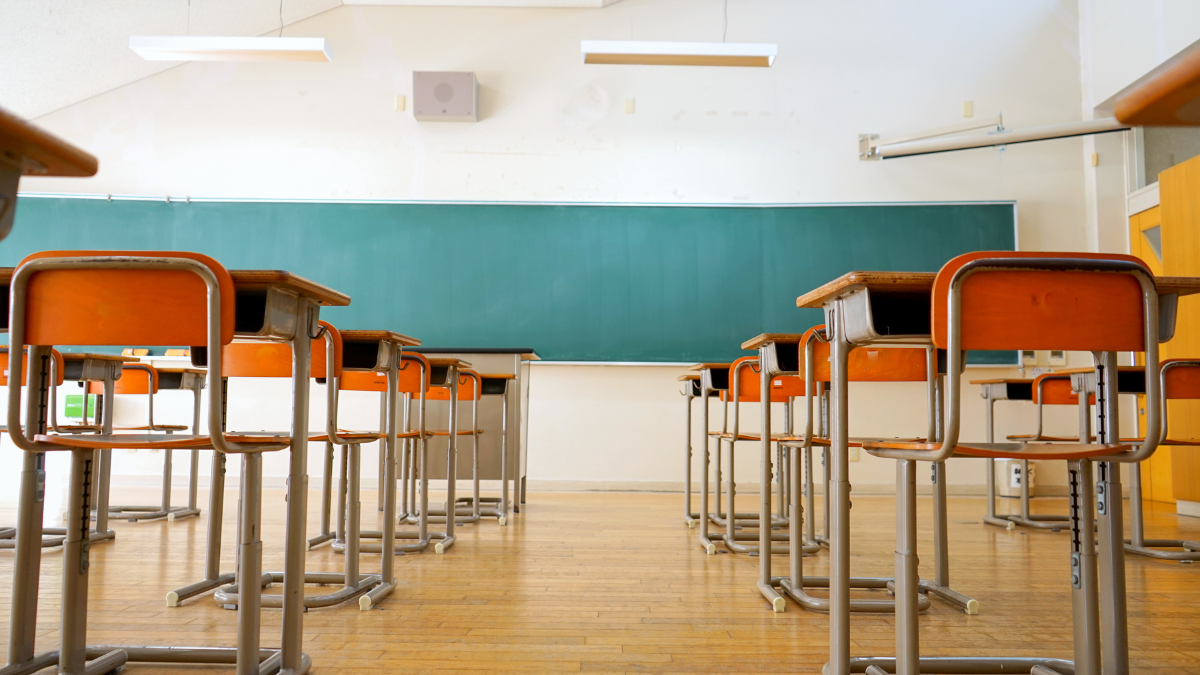
In classrooms filled with bright lights, loud voices, and constant activity, some children quietly struggle to cope. For them, the noise, pace, and pressure of school can feel overwhelming. Now, psychologists around the world are calling for a simple but powerful solution — “Calm Rooms” in every school.
These are safe, quiet spaces where children can step away for a few minutes, breathe, and reset before returning to class. The idea is not new, but after years of rising anxiety, screen exposure, and social stress among students, experts say it’s time to make calm rooms a standard part of school design.
According to the American Psychological Association (APA), the number of children showing signs of anxiety, sensory overload, or emotional burnout has tripled since the pandemic. In India, a 2024 UNICEF report found that nearly one in seven students experiences regular stress or irritability linked to school environments. Psychologists say classrooms often demand constant focus, noise tolerance, and social interaction — things that can overwhelm sensitive children or those with ADHD, autism, or anxiety disorders.
“Children today face an invisible storm of sensory input,” says Dr. Meera Kulkarni, a child psychologist based in Pune. “Between screens, schedules, and expectations, their brains rarely rest. A calm room acts like a pause button — it lets their nervous system breathe.”
A calm room isn’t a punishment zone or a counseling office. It’s a peaceful space — usually a small, softly lit room with mats, beanbags, plants, gentle music, and sensory tools like fidget toys or sand timers. Some include weighted blankets or breathing guides. Students can visit when they feel overstimulated or anxious, either independently or with a teacher’s guidance.
The UK Department for Education recently launched a pilot project introducing calm rooms in 50 schools across London and Manchester. The results were remarkable: incidents of classroom outbursts fell by 40 percent, and teachers reported higher concentration levels after breaks. Schools in Japan, Canada, and Finland are adopting similar models, seeing them as essential for emotional regulation.
In India, a few progressive schools in Bengaluru, Mumbai, and Delhi have started experimenting with the idea. The Green Path International School in Bengaluru converted an unused storeroom into a calm corner called “The Pause Pod.” Children visit it for short five-minute breaks guided by mindfulness cards. Principal Shalini Nair says, “We saw an immediate difference. Children returned calmer, more focused, and less reactive. It’s like giving them a mental reset button.”
Experts emphasize that calm rooms don’t replace discipline or academics — they enhance them. When children learn to identify and manage their emotions, they perform better and behave more responsibly. Neuroscientist Dr. Nitesh Reddy explains that such spaces support the brain’s regulation system. “When a child feels safe and grounded, their prefrontal cortex — the part responsible for focus and learning — works better. Calm is not a luxury; it’s a learning tool.”
The design of calm rooms often reflects cultural and regional values. In Scandinavian schools, soft lighting and natural wood create a feeling of comfort. In Japan, tatami mats and minimal decoration evoke peace. Indian psychologists suggest incorporating elements like rangoli art, traditional lamps, or nature sounds to make children feel connected to their roots while relaxing their senses.
But the idea also comes with challenges. Many schools worry about space, supervision, or misuse. Psychologists say these can be addressed through clear rules: short time limits (5–10 minutes), teacher monitoring, and emotional tracking. “It’s about structure with empathy,” says Dr. Kulkarni. “We want children to learn self-regulation, not escape responsibility.”
For teachers, calm rooms also offer a new approach to classroom management. Instead of scolding a restless child, they can guide them to take a short sensory break. Teachers trained in emotional literacy can use tools like breathing boards or guided visualization before returning the child to class. It shifts the school culture from control to care.
Parents, too, are beginning to see the benefits. In Pune, Priya Iyer, mother of a Class 4 student, says her son struggled with anxiety after long hours of noise and activity. “He used to cry before school,” she said. “Now he knows that if things get too much, he can go to the calm room. He calls it his ‘peace space.’ It’s made him happier — and he studies better.”
The psychology behind calm rooms is grounded in neuroscience. When a child becomes overwhelmed, their body activates the “fight or flight” response — heart rate rises, breathing quickens, and rational thinking shuts down. Calming activities like deep breathing, soft textures, and silence help reverse this process, bringing the brain back into balance. “You can’t teach math to a brain that feels unsafe,” says Dr. Reddy. “Calm is the foundation for learning.”
Some educators argue that schools already have counseling services and that calm rooms might blur roles. But psychologists counter that calm rooms serve prevention, not intervention. They reduce the number of students reaching crisis levels. “Think of it like handwashing before surgery,” Dr. Kulkarni explains. “You’re preventing problems before they grow.”
The trend is also linked to the UNICEF Child-Friendly Schools Framework, which encourages emotional safety as part of holistic education. The organization’s guidelines now list “quiet recovery zones” as a best practice in classrooms worldwide.
Children themselves are some of the biggest supporters of the idea. In surveys conducted by KidsMatter Australia, over 80 percent of students said having a calm space would help them feel “more understood.” Many drew pictures of what their ideal room would look like: soft cushions, nature murals, and maybe even a pet fish tank. Their responses showed not just creativity, but a longing for peace in a busy world.
As digital distractions, exams, and social pressures grow, schools are realizing that education cannot focus on academics alone. It must also teach balance. Calm rooms are one small but significant step toward that goal — a place where mindfulness meets modern education.
Dr. Kulkarni puts it simply: “A calm child learns better. A calm teacher teaches better. A calm school grows better.”
For children who struggle with the noise of the world, a few minutes of silence can make all the difference. Behind every calm room is a quiet message — that feelings are not problems to fix, but signals to understand. And when schools listen to those signals, they don’t just build better students — they build stronger, kinder humans.