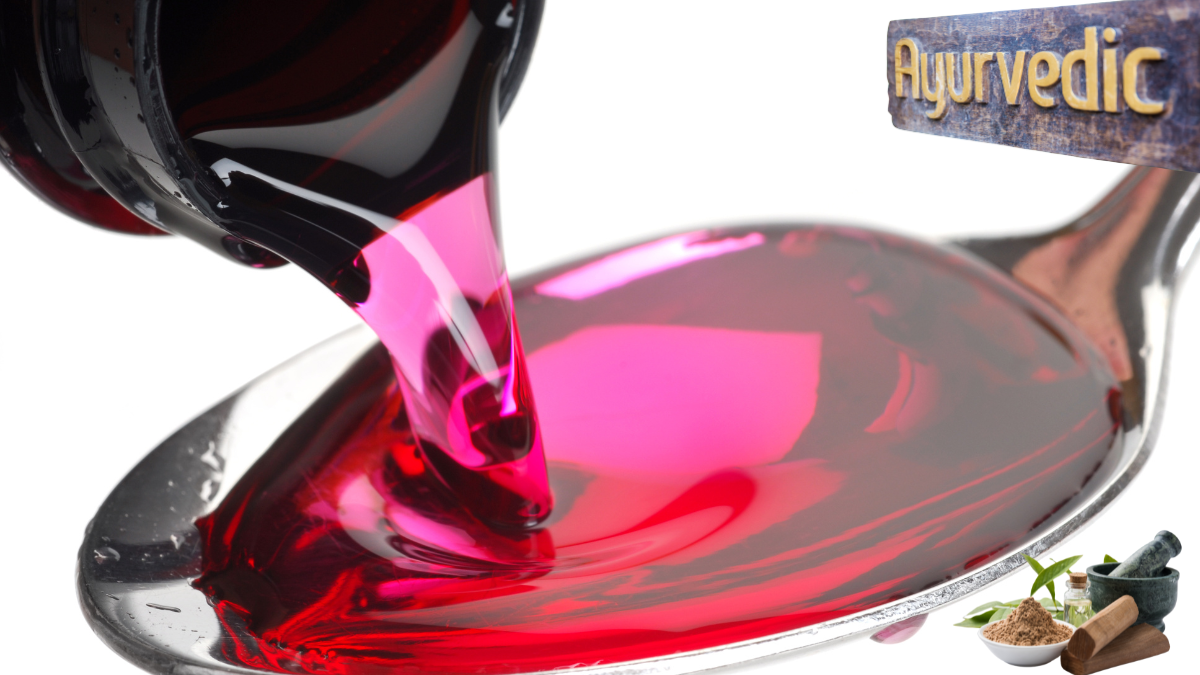
As questions grow around the safety of several chemical-based cough syrups, Ayurvedic alternatives are gaining renewed attention from doctors, pharmacists, and parents across India. In the wake of global alerts linking contaminated syrups to tragic deaths in countries such as Uzbekistan and The Gambia, health experts are now advising families to choose traditional, plant-based formulations that are safer and time-tested for children’s respiratory health.
The shift comes after multiple investigations revealed that some exported cough syrups contained toxic levels of diethylene glycol (DEG) and ethylene glycol (EG) — chemicals that can damage the kidneys and nervous system. These incidents, though limited to specific products, have shaken public confidence in synthetic syrups. Indian regulators have since tightened manufacturing checks, but the fear among parents remains.
Against this backdrop, pediatricians and Ayurvedic practitioners are recommending mild, herbal alternatives to soothe children’s cough and cold symptoms without harsh chemicals. “Ayurvedic syrups, when prescribed properly, are gentle on the system and free from alcohol or synthetic solvents,” explained Dr. Neeta Wagh, a Pune-based pediatrician. “They help improve immunity rather than simply suppressing the cough reflex.”
Some of the most trusted names in Ayurvedic medicine — including Dabur, Himalaya, Baidyanath, and Zandu — have reported a surge in demand for formulations like Sitopaladi churna, Tulsi syrup, Vasavaleha, and Honitus. These blends often combine herbs such as Tulsi (holy basil), Mulethi (licorice root), Vasaka (malabar nut), Ginger, and Honey, all known for their anti-inflammatory and soothing properties.
Pharmacists in major cities confirm the trend. “Parents ask specifically for Ayurvedic or herbal cough syrups now,” said Rohit Shah, a pharmacist in Ahmedabad. “Earlier they bought what the doctor prescribed. Now, they check ingredients before buying. Awareness has increased.”
Doctors, however, caution that “Ayurvedic” does not automatically mean risk-free. Like all medicines, they must be used correctly. “Parents should not self-medicate just because a syrup is herbal,” said Dr. Rajesh Deshpande, an Ayurveda physician from Nagpur. “The dosage, child’s age, and cause of cough matter. Ayurveda treats the root cause, so understanding the child’s constitution is important.”
The Ministry of AYUSH (Ayurveda, Yoga & Naturopathy, Unani, Siddha, and Homeopathy) has also issued new advisory notes encouraging certified Ayurvedic formulations for common ailments in children. According to the ministry, herbs like Tulsi, Yashtimadhu, Pippali, and Adulsa are effective against seasonal coughs and sore throats when used in prescribed quantities. These remedies, it said, not only relieve symptoms but also strengthen respiratory health naturally.
“Children have more sensitive metabolic systems than adults,” said Dr. Shailaja Verma, a pediatric Ayurvedic consultant. “Herbal remedies soothe inflammation and improve immunity without the side effects of sedatives or strong expectorants found in some modern syrups.”
The turn toward Ayurveda isn’t entirely new — but it’s accelerating as parents look for safer, preventive health options. The COVID-19 pandemic further boosted the credibility of traditional medicine, with many families adopting daily immune-supporting routines involving Kadha (herbal decoction), Giloy juice, and Turmeric milk. That trust now extends to children’s medicine cabinets.
Mothers like Priya Bansal from Delhi say they’ve seen the benefits firsthand. “My son used to get a cough every month. Since we switched to an Ayurvedic syrup with Tulsi and Mulethi, he recovers faster and sleeps better,” she said. “The best part — no drowsiness or bitterness.”
Still, pediatricians emphasize that not all coughs require syrups, Ayurvedic or otherwise. “Cough is the body’s way of clearing mucus,” explained Dr. Wagh. “Unless it’s persistent or associated with fever or wheezing, parents can start with warm fluids, steam, and rest. Herbal formulations can help if symptoms linger.”
The World Health Organization (WHO), while not endorsing specific systems of medicine, has urged all countries to ensure quality control for all syrups, whether herbal or allopathic. In India, the Central Drugs Standard Control Organization (CDSCO) has intensified its testing process. Officials say that over 200 syrup samples have been analyzed since 2023 to ensure safety compliance, and unregistered products face strict penalties.
Interestingly, Ayurvedic research centers are now conducting clinical trials to establish standardized doses and efficacy levels for children’s formulations. Institutions like the All India Institute of Ayurveda (AIIA) and Banaras Hindu University’s Ayurveda Department are studying how herbal compounds act on respiratory infections compared to modern medicines. Preliminary findings suggest that many plant extracts show comparable relief for mild symptoms without adverse reactions.
Pharmaceutical analysts predict that India’s Ayurvedic pediatric market, currently valued at ₹3,000 crore, could grow by 25% annually if safety and research investments continue. “What’s happening is not a rejection of modern medicine,” said industry expert Manish Kaul, “but a recalibration toward balance — using Ayurveda for mild illnesses and modern drugs for serious infections.”
The Indian Academy of Pediatrics (IAP) has also begun collaborating with AYUSH to train doctors in integrative approaches. “We want evidence-based Ayurveda to complement, not compete with, allopathy,” said an IAP spokesperson. “The goal is child safety and better care, not rivalry.”
Parents are also turning to home remedies rooted in Ayurvedic wisdom — from honey with black pepper to turmeric milk before bedtime. Doctors warn, however, that honey should never be given to infants under one year due to the risk of infant botulism. “Even natural ingredients must be age-appropriate,” said Dr. Deshpande.
In many homes, the change is visible — medicine shelves now hold both thermometers and jars of herbal mixes. “We grew up with Ayurvedic remedies from our grandmothers,” said Ananya Iyer, a parent from Chennai. “Now science is confirming what they knew all along — nature heals, if you use it wisely.”
As modern medicine and traditional healing find new balance, one truth stands out: the safest medicine for children is the one chosen with care, evidence, and understanding. Whether herbal or chemical, it must be tested, trusted, and tailored to the child’s needs.
In a world chasing instant relief, Ayurveda reminds parents that healing is not about speed — it’s about harmony. And in that ancient idea lies a very modern lesson for families today.